

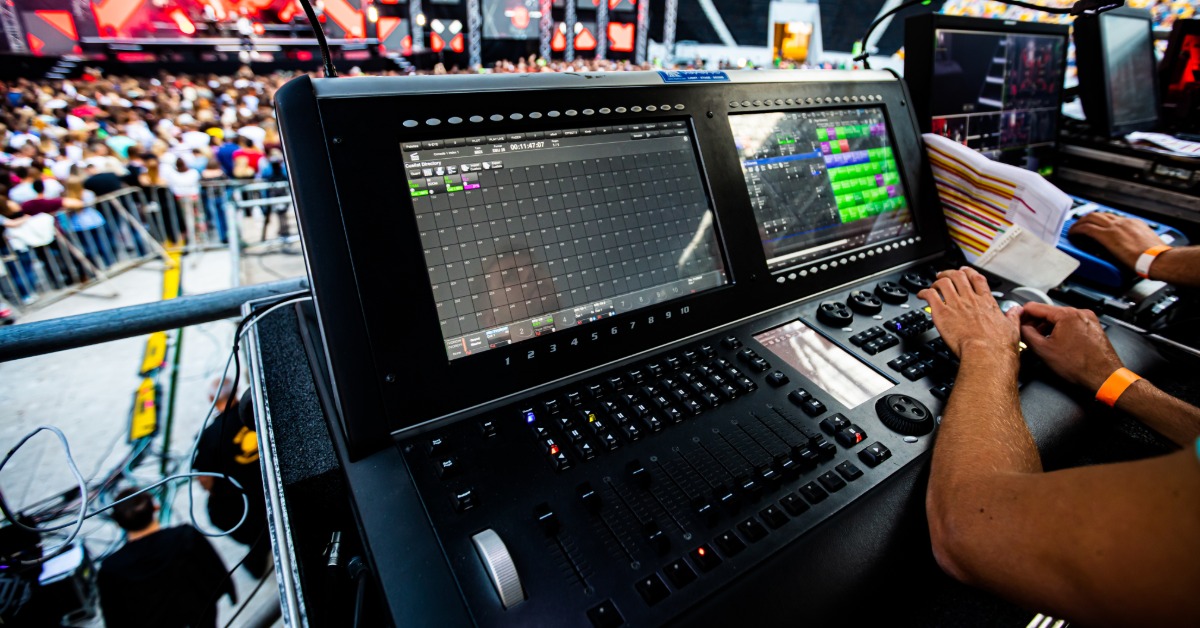
Planning a successful event requires more than selecting a venue and inviting guests. Behind every polished presentation, engaging performance, or memorable celebration stands a production team that brings the experience together. From sound quality to lighting design, professional production shapes how attendees interact with the event.
Choosing the right Denver production company for your event can make a significant difference in the planning process and the final experience. The right partner understands your vision, anticipates technical challenges, and coordinates the equipment and personnel necessary to deliver a seamless event.
Understanding the Role of an Event Production Company
An event production company manages the technical and creative elements that transform an event concept into a functional experience. Depending on the event’s requirements, the production team may handle audiovisual equipment, lighting, staging, and technical coordination. These services help organizers create an environment that supports the event’s purpose while keeping technical operations running smoothly.
Professional production also involves extensive preparation. Experienced teams evaluate venue conditions, establish equipment requirements, and coordinate installation schedules before attendees arrive. This preparation reduces uncertainty and allows event organizers to focus on other aspects of the experience.
How Production Services Support Different Events
Production requirements vary considerably depending on the event’s format and audience. A corporate conference might require presentation displays and microphones for multiple speakers, while a concert demands powerful audio systems and performance lighting.
A qualified production company adapts its approach to the event rather than relying on a standard equipment package. This flexibility helps ensure that the technical setup complements the venue, audience size, and activities.
Evaluate the Company’s Experience and Expertise
Experience represents one of the most important factors when choosing the right Denver production company for your event. Companies with a history of working across different event formats can recognize potential complications and recommend practical solutions. Their familiarity with technical logistics also helps them coordinate equipment and personnel efficiently.
Ask prospective companies about events similar to yours. Discuss the production challenges they encountered and how their teams addressed them. These conversations provide insight into their capabilities while revealing how they approach planning and problem-solving.
Look for Relevant Venue Experience
Every venue presents different technical conditions. Indoor spaces may introduce acoustic challenges, limited electrical access, or restrictions on equipment placement. Outdoor locations require additional preparation because weather conditions and environmental factors can influence equipment performance.
A company with experience handling production equipment for outdoor events can assess requirements involving power distribution, weather protection, and equipment placement. That expertise becomes particularly valuable when an event takes place in a park, temporary venue, or other location without permanent production infrastructure.

Review Equipment Quality and Technical Capabilities
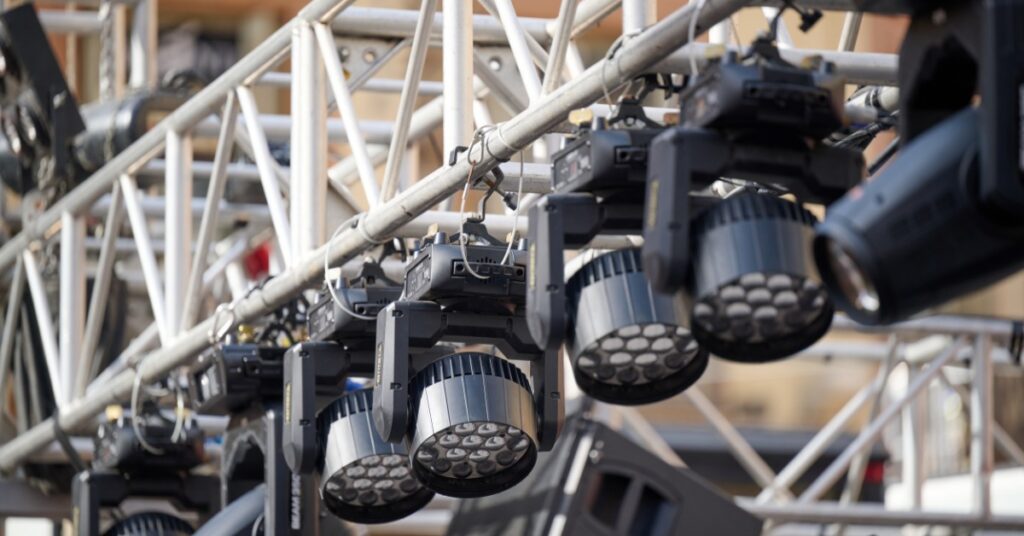
Reliable equipment plays a central role in event production. Sound systems must deliver clear audio throughout the audience area, while lighting equipment must support visibility and the ideal atmosphere. Video displays should remain appropriate for the venue’s dimensions and viewing distances.
When evaluating a production company, ask about its available equipment and how the team selects components for individual events. A reputable provider should explain its recommendations without overwhelming you with unnecessary technical terminology.
Consider Equipment Maintenance and Compatibility
Equipment selection involves more than choosing recognizable brands or sophisticated technology. Production teams must ensure that individual components work together and remain appropriate for the event environment.
Ask how the company prepares its equipment before an event and whether it maintains backup options for essential components. Understanding these procedures can help you evaluate the team’s readiness to address surprise technical problems.
Assess Planning and Communication Practices
Clear communication contributes significantly to successful event production. Your production partner should understand the event schedule, technical expectations, and everyone’s responsibilities.
During initial conversations, pay attention to how the company gathers information. Does the team ask precise questions about the venue and event format? Can its representatives explain the production process clearly?
Establish Responsibilities Early
An effective production plan identifies who will manage equipment delivery, installation, testing, and operation. It should also clarify how the production team will communicate with venue personnel and other vendors.
Discuss timelines and important production milestones before finalizing an agreement. When everyone understands their responsibilities, the team can coordinate work more efficiently and minimize confusion during event setup.
Compare Services and Pricing Carefully
Event production estimates can vary based on equipment requirements, labor, event duration, and logistical complexity. Comparing prices without examining the services behind them may create an incomplete picture of each company’s value.
Request proposals that outline equipment, technical staffing, transportation, and setup services. Confirm whether the estimate accounts for rehearsals or additional operating hours.
Look Beyond the Lowest Estimate
A lower price does not necessarily represent the best choice for your event. Some proposals may exclude services that you consider essential, while others include technical support throughout the program.
Evaluate each estimate alongside the company’s experience, equipment capabilities, and planning approach. The strongest option should align with your budget while providing the resources necessary for dependable execution.
Prioritize Safety and Contingency Planning
Professional event production requires careful attention to safety. Equipment installations must account for electrical demands, structural considerations, and safe movement throughout the venue. Production teams should also coordinate with venue management to understand applicable restrictions and operating procedures.
Ask potential partners how they approach risk assessments and equipment installation.
Prepare for Unexpected Challenges
Even extensive preparation cannot eliminate every potential disruption. Equipment malfunctions, schedule changes, and adverse weather can require production teams to adapt quickly.
Find out how the company handles equipment failures and whether its technicians can adjust during the program.
Understand the Importance of On-Site Technical Support
Technical support should remain a consideration throughout the selection process, particularly for events involving presentations or live performances. Skilled technicians monitor equipment operation, respond to changing requirements, and coordinate technical transitions during the program.
Determine whether your production package includes on-site personnel and what responsibilities they will handle. Some events may require dedicated audio or lighting operators, while smaller gatherings might need more limited technical assistance.
Confirm the Setup and Rehearsal Schedule
Installation and testing require adequate time before an event begins. Rushing these activities can create unnecessary pressure and technical issues.
Ask your production company to establish a realistic setup schedule that accommodates equipment checks and necessary rehearsals. Coordinating these activities with the venue and event organizers allows the technical team to adjust before guests arrive.
Choose a Production Partner That Understands Your Event
Beyond equipment and technical experience, a strong production partnership depends on collaboration. The company should listen carefully to your expectations and develop recommendations that support the event’s intended atmosphere.
Pay attention to how potential partners respond to questions or proposed changes. A collaborative team explains available options and communicates potential limitations without making the planning process unnecessarily complex.
Find the Right Denver Production Partner
Choosing the right Denver production company requires thoughtful evaluation of technical capabilities, experience, and communication practices. A dependable partner provides valuable planning expertise and hands-on support that help your event run smoothly.
Whether you’re organizing a corporate gathering, live performance, or special celebration, AKA Event Productions can help you explore the production services your event requires. Contact AKA Event Productions today to discuss your vision and take the next step toward a professionally produced event.