


Outdoor events create energy that indoor spaces cannot always match. Outdoor events also bring a planning variable that no organizer can fully control: the weather.
Rain, wind, heat, cold, lightning, and sudden temperature swings can all affect the guest experience, production schedule, technical equipment, staffing plan, and safety strategy. Below, we’ll show you how to prepare for the many challenges weather can produce for outdoor events.
Why Weather Planning Matters for Outdoor Events
Weather planning should start early in the event production process, not after a forecast looks concerning. Outdoor events rely on many interconnected pieces, from staging to audio, lighting, power, and guest flow. One weather issue can disrupt several of those systems at the same time.
A clear plan helps every stakeholder make better decisions under pressure. When your team understands what will happen if rain begins, temperatures spike, or wind speeds increase, you reduce confusion and keep the event moving with confidence.
Understand the Local Climate Before Choosing the Venue
Every outdoor event begins with the environment. Before you commit to a venue, review the seasonal weather patterns for that area. Look at average temperatures, storm patterns, wind exposure, sun intensity, drainage, and the likelihood of rapid weather changes during your event month.
This matters especially in places with elevation changes, open fields, mountain views, or exposed urban plazas. If you work with a Denver event production company, ask how local weather patterns can affect staging, tenting, power distribution, and guest comfort throughout the event day.
Build Weather Strategy into the Event Timeline
A strong event timeline should include more than load-in, rehearsal, doors, programming, and load-out. It should also include weather checkpoints. These checkpoints give your team specific times to review forecasts, inspect the site, adjust equipment, and decide whether to activate contingency plans.
Weather checkpoints work best when you assign decision-makers in advance. Your planner, producer, safety lead, venue contact, and technical director should know who has authority to pause the event, delay a start time, move guests, or shut down equipment.
Create a Clear Rain Plan
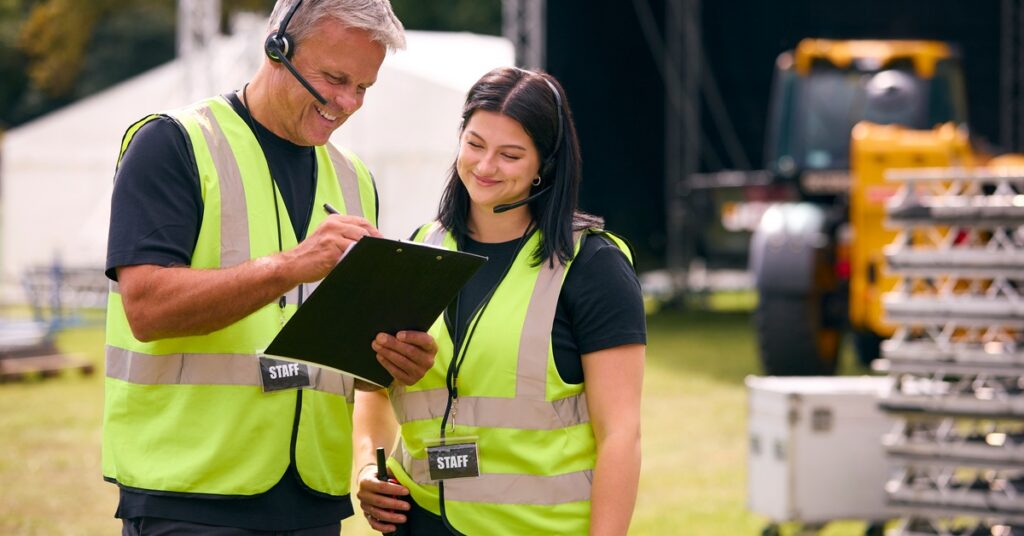
When preparing for weather challenges at outdoor events, rain should be first on the action plan. A rain plan should explain how your team will protect the site before it arrives and respond if rain begins during the event.
Your plan should address covered areas, waterproof cable paths, stage protection, guest shelter, signage, vendor stations, and access routes. It should also define how your team will communicate changes to guests, staff, vendors, and talent.
Prepare for Wind Before It Becomes a Problem
Wind creates serious challenges for outdoor production. It can move lightweight scenic pieces, shake video walls, strain tents, affect microphones, disrupt banners, and create hazards around temporary structures.
Do not treat wind as a minor inconvenience. Establish wind-speed thresholds and response actions in advance. Your team may need to lower banners, remove loose décor, pause programming, secure equipment, or evacuate certain areas depending on the conditions.
Plan for Heat, Sun, and Guest Comfort
Hot weather can drain energy from an event quickly. Guests may need shade, water, cooling areas, shorter lines, and clear access to restrooms. Staff and crew also need breaks, hydration, and relief from direct sun, especially during long load-in periods.
Design the site with comfort in mind. Place check-in, food service, medical support, seating, and high-traffic zones where guests can avoid the sun. If shade does not exist naturally, add tenting, umbrellas, covered lounges, or shaded queue areas.
Prepare for Cold, Evening Drops, and Changing Temperatures
Outdoor events can feel comfortable during setup and chilly once the sun goes down. Temperature changes can affect guest comfort, performer readiness, catering service, and technical equipment.
Consider heaters, enclosed tents, warm staging areas, coat check, and adjusted programming times when needed. You should also communicate expected conditions clearly to guests so they know how to dress for the experience.
Protect Audio, Lighting, Video, and Power Systems
Moisture can damage audio consoles, lighting fixtures, video equipment, LED walls, generators, cable connections, and power distribution points. Heat can also affect equipment performance, and wind can make lifts, rigging, and screens unsafe.
Your technical team should specify weather-rated equipment when the event requires it. They should also use cable ramps, elevated connections, protective covers, grounded power systems, and safe shutdown procedures.
Design the Site for Drainage and Safe Movement
Rain does not only fall on the event site. It also collects, runs, pools, and changes the way people move through the space. Low areas, grass fields, gravel paths, and temporary flooring can become difficult to navigate after a storm.
Walk the venue and identify where water may collect, where guests may slip, and where vehicles could get stuck. Use flooring, mats, barricades, signage, lighting, and alternate routes to keep guests and staff moving safely.
Create a Communication Plan for Guests and Staff
Weather challenges become more manageable when communication stays clear. Your staff should know how to receive updates, who will deliver instructions, and what language they should use when speaking with guests. Guests should know where to go, any event changes, and what they can expect next.
Use multiple communication methods when possible. Announcements, screens, signage, staff radios, text alerts, emails, event apps, and social media can all help inform staff and guests.
Know When To Pause, Delay, or Cancel Programming
Outdoor events need decision rules. Lightning, high winds, heavy rain, extreme heat, poor air quality, and unsafe ground conditions can require immediate action. Your team should define these triggers before the event.
A pause or delay can protect people and preserve the event when conditions improve. A cancellation may feel difficult, but safety must come first.
Assign Weather Roles to the Right People
Weather planning should not sit with one person who already carries too many responsibilities. Assign specific roles across the team so each person knows what to monitor, who to contact, and what action to take. One person may track the forecast, another may coordinate vendor updates, another may manage guest messaging, and another may oversee technical shutdowns.
Review Insurance, Permits, and Venue Requirements
Weather can affect contracts, insurance policies, permits, and venue rules. Some venues require evacuation plans, tent permits, fire inspections, engineering documents, or weather monitoring protocols. Some insurance policies may also define what qualifies as a weather-related claim.
Review these details early so you do not discover a requirement during production week. Ask your venue, insurer, rental provider, and production partners what documentation they need for outdoor structures, power systems, emergency plans, and weather contingencies.
Rehearse the Contingency Plan
A weather plan only works if people understand it. Before the event begins, walk key staff through the plan and clarify what happens during rain, wind, lightning, heat, or evacuation scenarios. Your team should know where supplies live, how to protect equipment, how to move guests, how to contact leadership, and how to document decisions.
Prepare Early and Stay Flexible
Weather planning does not mean expecting the worst. It means giving your team the structure, tools, and confidence to adapt when conditions change.
AKA Event Productions helps teams plan and produce outdoor events with safety, technical precision, and guest experience in mind. To prepare your next event for rain, wind, heat, cold, and changing conditions, contact AKA Event Productions and start building a weather-ready production plan.