
Author: Ben Ganey

  • A Guide to Production Equipment Rentals for Venues

    A Guide to Production Equipment Rentals for Venues

    When a venue hosts concerts, galas, corporate programs, festivals, fundraisers, or community events, the in-house inventory may not cover every technical need. A smart approach to renting production equipment helps venue teams expand capabilities without buying, storing, and maintaining every piece of equipment themselves.

    The right rental plan supports better sound, stronger lighting, cleaner stage layouts, safer infrastructure, and smoother crew coordination. Below, our guide breaks down what venues should know about production equipment rentals.

    Understanding the Role of Rental Equipment in a Venue

    Renting production equipment fills the gap between what a venue already owns and what a specific event requires. A ballroom may have basic lighting, but a touring act may need a concert-grade lighting package. A civic venue may have a house sound system, but a keynote, panel, and live performance may need added microphones, monitors, consoles, and signal distribution.

    Venue teams should view production equipment rentals as part of the larger event production plan. Each piece of gear should support the room layout, audience size, program format, load-in schedule, and technical expectations of the client or artist.

    Start With the Event Type and Room Layout

    Every rental plan should begin with the event format. A seated corporate presentation has different production needs than a standing-room concert, a trade show, or an outdoor ceremony. The number of guests, the stage location, the ceiling height, and the audience sightlines all affect the equipment list.

    Room layout also shapes audio coverage, lighting angles, cable paths, rigging points, and control positions. When a venue team shares accurate floor plans, measurements, and event notes with a production partner, the rental process becomes more precise from the start.

    Match the Equipment to the Audience Experience

    The audience should hear clearly, see the stage, follow the program, and move through the space safely. That experience depends on how audio, lighting, video, staging, power, and crew communication work together.

    A small event may need a compact sound system and a simple stage wash. A large program may require line arrays, wireless microphones, intelligent lighting fixtures, LED video walls, comms systems, and professional control positions. The scale should match the experience, not just the headcount.
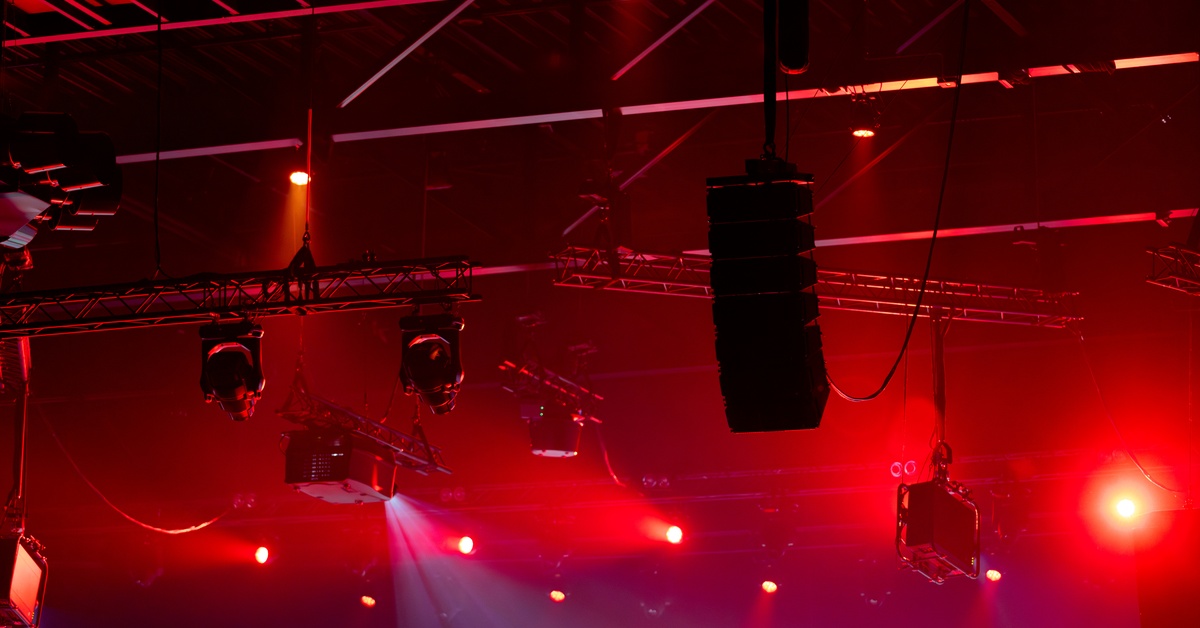
    A close-up of the ceiling of a venue production with stage lighting and sound equipment bathed in red light.

    Audio Rentals for Venue Events

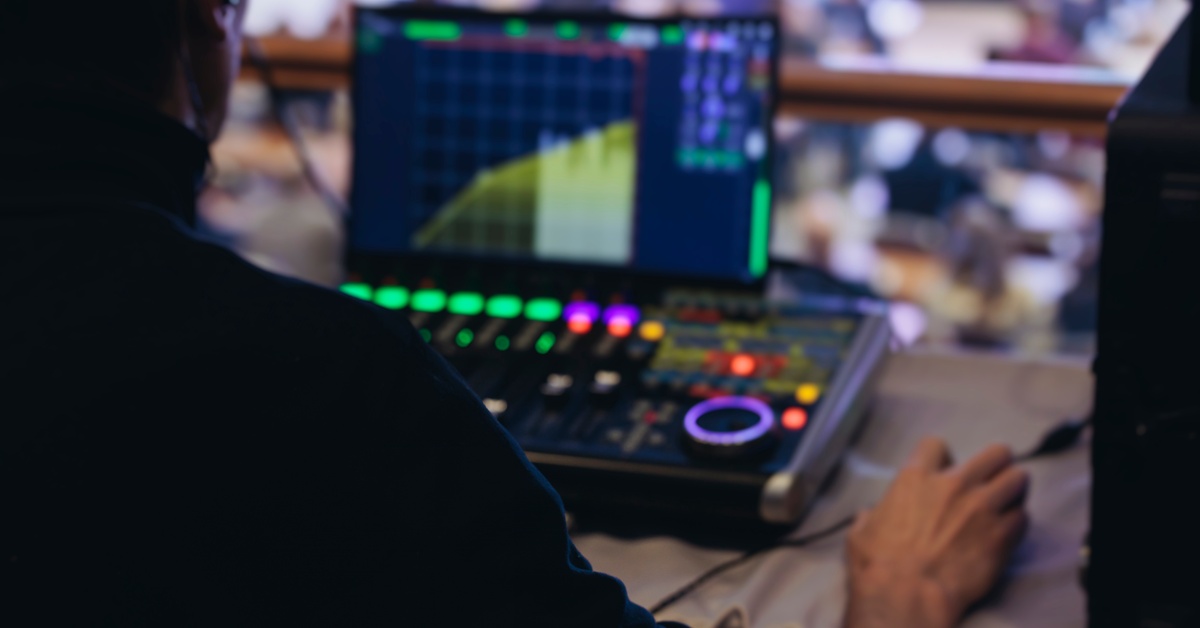
    Audio equipment shapes how guests experience speeches, music, performances, and announcements. For venues, rental audio may include speakers, subwoofers, monitors, digital consoles, microphones, wireless systems, signal processing, and cabling.

    The best audio package depends on the room, the program, and the technical rider. A venue hosting a DJ set may need different coverage than a venue hosting a keynote speaker, a live band, or a theatrical program. Professional audio planning also accounts for feedback control, wireless frequency coordination, backstage monitoring, and clean cable routing.

    Know When to Add Technical Support

    Complex sound systems need more than delivery and pickup. A line array, digital console, or wireless microphone package may require a system tech who understands the equipment and the event environment.

    Technical support also helps when presenters arrive with last-minute changes, artists update input lists, or room layouts shift during load-in. A trained production team can adjust quickly without putting pressure on venue staff.

    Lighting Rentals for Atmosphere and Function

    Lighting directs attention, supports photography, improves visibility, and reinforces the event’s tone. Venue lighting rentals may include stage lighting, uplighting, moving fixtures, LED battens, control consoles, atmospheric effects, truss, and rigging hardware.

    Functional lighting and creative lighting should work together. A presenter needs clean front light, while a gala may need color, texture, and movement. A concert may require fixture programming, haze, control positions, and cue timing that align with the performance.

    Plan Lighting Around the Venue’s Limits

    Before renting lighting equipment, venue teams should confirm ceiling height, rigging options, power access, fire code requirements, and vendor load-in paths. A production partner can recommend fixtures and layouts that work within those limits.

    Video, LED, and Visual Support

    Many events now rely on visual content. Presentations, sponsor loops, IMAG, scenic visuals, and branded motion graphics can all require video equipment. Venues may rent LED video wall panels, projectors, screens, media servers, cameras, switchers, signal infrastructure, and network support.

    The right visual system depends on viewing distance, ambient light, content format, and room design. A bright ballroom may need a different solution than a dark theater or outdoor stage. Venues should also confirm who provides content, who operates playback, and who tests the system before doors open.

    Infrastructure That Keeps the Show Running

    Infrastructure may not draw attention from guests, but it keeps an event stable. Power distribution, cabling, road cases, staging support, barricade coordination, signal networks, Dante or AES67 infrastructure, and crew communication systems all play a major role in event execution.

    Venue teams should plan infrastructure early because it affects load-in timing, safety, and vendor coordination. A clean infrastructure plan organizes cables, protects guest areas, supports crew movement, and reduces interruptions during the program.

    Do Not Treat Power as an Afterthought

    Power access can limit what a venue can support. Audio systems, lighting fixtures, LED walls, control stations, catering equipment, and vendor activations may all compete for electrical capacity. A professional production partner can help evaluate power needs before the event reaches the floor.
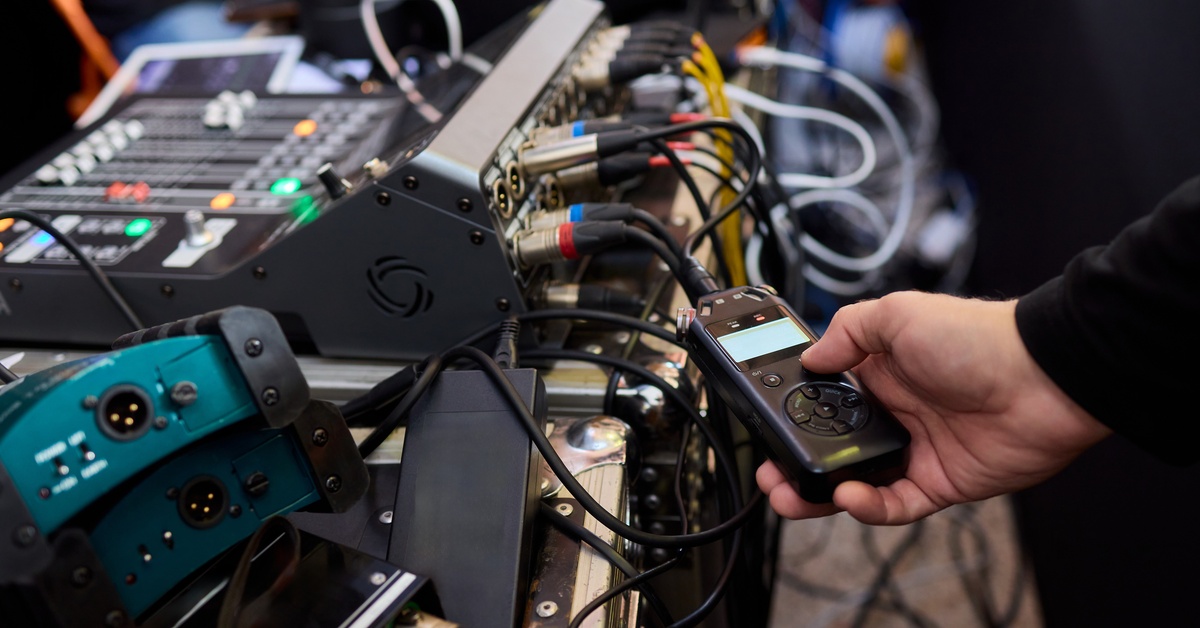
    A close-up of a hand holding an audio measuring tool next to a wireless audio system for event production.

    Cross-Rental for Production Companies and AV Partners

    Some venues work directly with event planners, while others support outside production companies, touring crews, and AV partners. In those cases, cross-rental gives professionals access to regional equipment without hauling every item across the country.

    AKA Event Productions supports B2B sub-rental with touring-grade audio, lighting, atmospheric, rigging, video, signal, and infrastructure equipment. Our inventory includes professional brands and show-ready gear from our own production stock, which gives venues and production partners access to equipment built for real event environments.

    Questions Venues Should Ask Before Renting Equipment

    Venue teams should ask what the event requires, what the existing house inventory can handle, and where the gaps begin. They should also confirm who handles delivery, setup, operation, strike, and post-event pickup. The rental process works best when the venue provides dates, room details, load-in windows, dock access, gear lists, technical riders, and event run-of-show details.

    Confirm Availability Early

    High-quality production inventory can book quickly during busy event seasons. Venues should check availability as soon as they know the event date, especially for audio systems, wireless packages, lighting consoles, LED walls, and rigging equipment. Early planning also gives the production team time to recommend better solutions.

    How AKA Event Productions Supports Venue Rental Needs

    AKA Event Productions provides production equipment from our Denver warehouse for Colorado venues, regional shows, and touring production needs. We support audio, lighting, video, atmospheric effects, rigging, infrastructure, and crew coordination for professional event environments. Venue teams can rent equipment, request technical support, or work with AKA to build a package around a specific application.

    Build a Better Venue Experience With the Right Rental Partner

    We hope our guide to production equipment rentals for venues helps you prepare for your event more efficiently and easily. The right rental plan helps venues host stronger events without overextending their in-house resources.

    For venue teams that need professional equipment, regional support, or help building the right package, AKA Event Productions can help. Contact us today to check availability, share your event details, and plan the equipment package your next event requires.
  • How To Prepare for Weather Challenges at Outdoor Events

    How To Prepare for Weather Challenges at Outdoor Events

    Outdoor events create energy that indoor spaces cannot always match. Outdoor events also bring a planning variable that no organizer can fully control: the weather.

    Rain, wind, heat, cold, lightning, and sudden temperature swings can all affect the guest experience, production schedule, technical equipment, staffing plan, and safety strategy. Below, we’ll show you how to prepare for the many challenges weather can produce for outdoor events.

    Why Weather Planning Matters for Outdoor Events

    Weather planning should start early in the event production process, not after a forecast looks concerning. Outdoor events rely on many interconnected pieces, from staging to audio, lighting, power, and guest flow. One weather issue can disrupt several of those systems at the same time.

    A clear plan helps every stakeholder make better decisions under pressure. When your team understands what will happen if rain begins, temperatures spike, or wind speeds increase, you reduce confusion and keep the event moving with confidence.

    Understand the Local Climate Before Choosing the Venue

    Every outdoor event begins with the environment. Before you commit to a venue, review the seasonal weather patterns for that area. Look at average temperatures, storm patterns, wind exposure, sun intensity, drainage, and the likelihood of rapid weather changes during your event month.

    This matters especially in places with elevation changes, open fields, mountain views, or exposed urban plazas. If you work with a Denver event production company, ask how local weather patterns can affect staging, tenting, power distribution, and guest comfort throughout the event day.

    Build Weather Strategy into the Event Timeline

    A strong event timeline should include more than load-in, rehearsal, doors, programming, and load-out. It should also include weather checkpoints. These checkpoints give your team specific times to review forecasts, inspect the site, adjust equipment, and decide whether to activate contingency plans.

    Weather checkpoints work best when you assign decision-makers in advance. Your planner, producer, safety lead, venue contact, and technical director should know who has authority to pause the event, delay a start time, move guests, or shut down equipment.

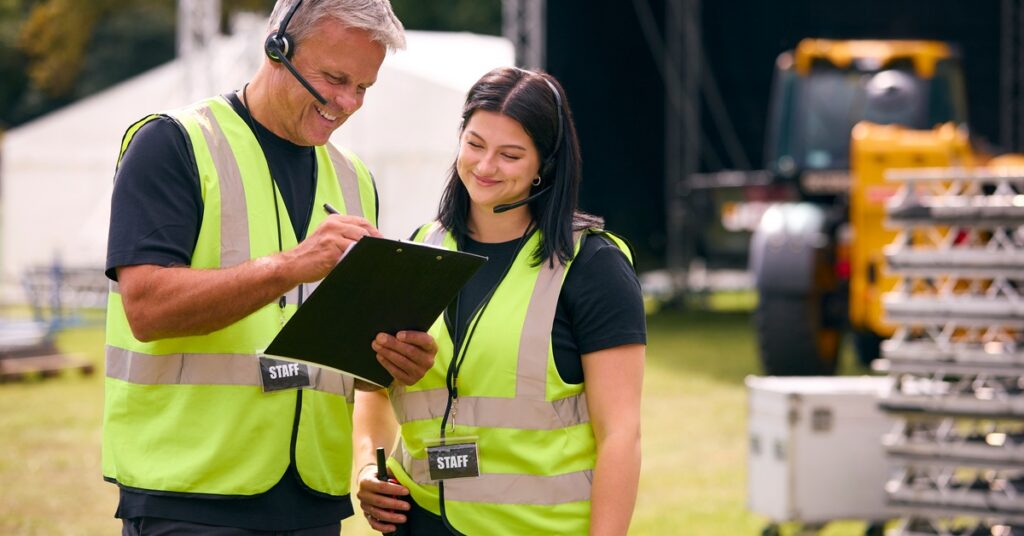
    A man and a woman in high-visibility vests, wearing headsets and lanyards that say "STAFF," smile at a clipboard.

    Create a Clear Rain Plan

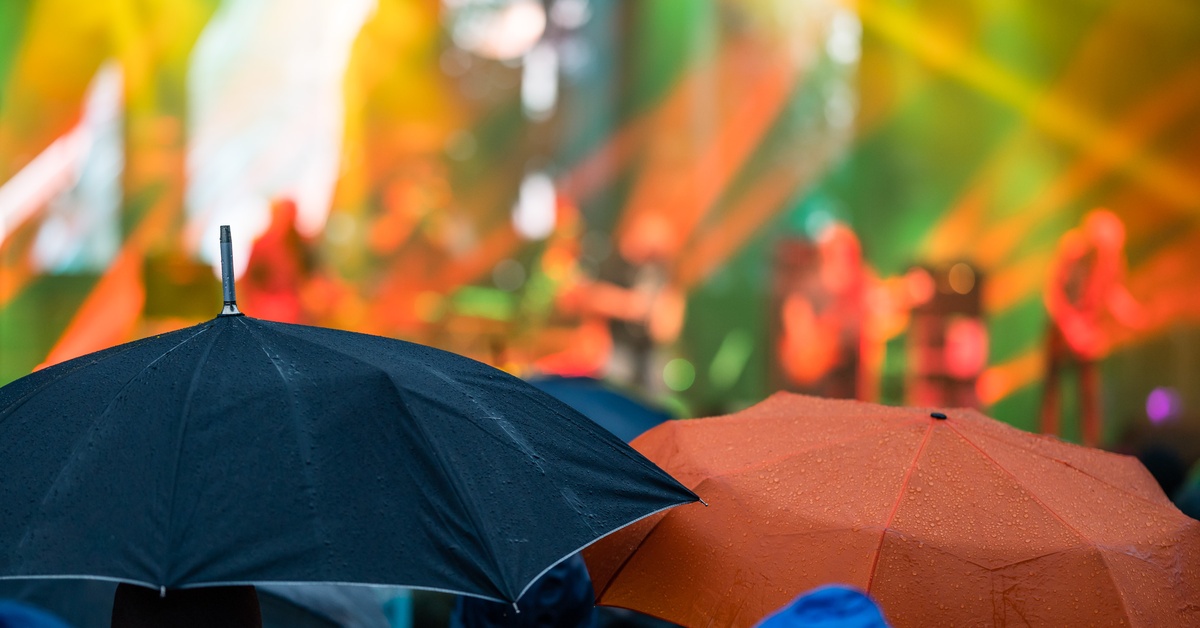
    When preparing for weather challenges at outdoor events, rain should be first on the action plan. A rain plan should explain how your team will protect the site before it arrives and respond if rain begins during the event.

    Your plan should address covered areas, waterproof cable paths, stage protection, guest shelter, signage, vendor stations, and access routes. It should also define how your team will communicate changes to guests, staff, vendors, and talent.

    Prepare for Wind Before It Becomes a Problem

    Wind creates serious challenges for outdoor production. It can move lightweight scenic pieces, shake video walls, strain tents, affect microphones, disrupt banners, and create hazards around temporary structures.

    Do not treat wind as a minor inconvenience. Establish wind-speed thresholds and response actions in advance. Your team may need to lower banners, remove loose décor, pause programming, secure equipment, or evacuate certain areas depending on the conditions.

    Plan for Heat, Sun, and Guest Comfort

    Hot weather can drain energy from an event quickly. Guests may need shade, water, cooling areas, shorter lines, and clear access to restrooms. Staff and crew also need breaks, hydration, and relief from direct sun, especially during long load-in periods.

    Design the site with comfort in mind. Place check-in, food service, medical support, seating, and high-traffic zones where guests can avoid the sun. If shade does not exist naturally, add tenting, umbrellas, covered lounges, or shaded queue areas.

    Prepare for Cold, Evening Drops, and Changing Temperatures

    Outdoor events can feel comfortable during setup and chilly once the sun goes down. Temperature changes can affect guest comfort, performer readiness, catering service, and technical equipment.

    Consider heaters, enclosed tents, warm staging areas, coat check, and adjusted programming times when needed. You should also communicate expected conditions clearly to guests so they know how to dress for the experience.

    Protect Audio, Lighting, Video, and Power Systems

    Moisture can damage audio consoles, lighting fixtures, video equipment, LED walls, generators, cable connections, and power distribution points. Heat can also affect equipment performance, and wind can make lifts, rigging, and screens unsafe.

    Your technical team should specify weather-rated equipment when the event requires it. They should also use cable ramps, elevated connections, protective covers, grounded power systems, and safe shutdown procedures.

    Design the Site for Drainage and Safe Movement

    Rain does not only fall on the event site. It also collects, runs, pools, and changes the way people move through the space. Low areas, grass fields, gravel paths, and temporary flooring can become difficult to navigate after a storm.

    Walk the venue and identify where water may collect, where guests may slip, and where vehicles could get stuck. Use flooring, mats, barricades, signage, lighting, and alternate routes to keep guests and staff moving safely.

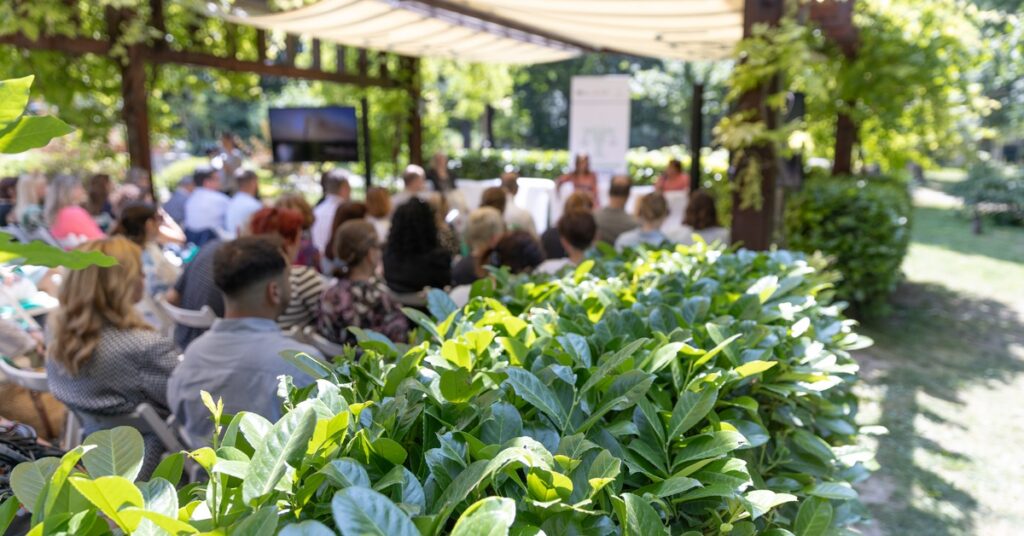
    A close-up of the hedges that surround a garden venue with rows of seated guests listening to a presentation.

    Create a Communication Plan for Guests and Staff

    Weather challenges become more manageable when communication stays clear. Your staff should know how to receive updates, who will deliver instructions, and what language they should use when speaking with guests. Guests should know where to go, any event changes, and what they can expect next.

    Use multiple communication methods when possible. Announcements, screens, signage, staff radios, text alerts, emails, event apps, and social media can all help inform staff and guests.

    Know When To Pause, Delay, or Cancel Programming

    Outdoor events need decision rules. Lightning, high winds, heavy rain, extreme heat, poor air quality, and unsafe ground conditions can require immediate action. Your team should define these triggers before the event.

    A pause or delay can protect people and preserve the event when conditions improve. A cancellation may feel difficult, but safety must come first.

    Assign Weather Roles to the Right People

    Weather planning should not sit with one person who already carries too many responsibilities. Assign specific roles across the team so each person knows what to monitor, who to contact, and what action to take. One person may track the forecast, another may coordinate vendor updates, another may manage guest messaging, and another may oversee technical shutdowns.

    Review Insurance, Permits, and Venue Requirements

    Weather can affect contracts, insurance policies, permits, and venue rules. Some venues require evacuation plans, tent permits, fire inspections, engineering documents, or weather monitoring protocols. Some insurance policies may also define what qualifies as a weather-related claim.

    Review these details early so you do not discover a requirement during production week. Ask your venue, insurer, rental provider, and production partners what documentation they need for outdoor structures, power systems, emergency plans, and weather contingencies.

    Rehearse the Contingency Plan

    A weather plan only works if people understand it. Before the event begins, walk key staff through the plan and clarify what happens during rain, wind, lightning, heat, or evacuation scenarios. Your team should know where supplies live, how to protect equipment, how to move guests, how to contact leadership, and how to document decisions.

    Prepare Early and Stay Flexible

    Weather planning does not mean expecting the worst. It means giving your team the structure, tools, and confidence to adapt when conditions change.

    AKA Event Productions helps teams plan and produce outdoor events with safety, technical precision, and guest experience in mind. To prepare your next event for rain, wind, heat, cold, and changing conditions, contact AKA Event Productions and start building a weather-ready production plan.